Acupuncture in Mississauga
Acupuncture is a form of care that uses very fine needles at specific points on the body. It is commonly used as part of a care plan for muscle tension, joint discomfort, headaches, stress-related symptoms, and other concerns involving the musculoskeletal system. At Arise Physio & Massage Clinic, acupuncture can be incorporated into a broader approach to physical care based on an individual’s concerns, goals, and assessment findings.
If you are looking for Acupuncture in Mississauga, the process typically begins with a discussion about your symptoms, health history, daily activities, and what you would like to address. This information helps determine whether acupuncture may be appropriate and how it can fit within your care plan.
What Is Acupuncture?
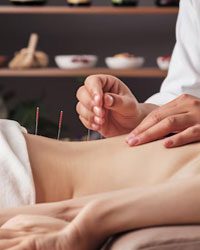
Acupuncture is a traditional practice that involves placing very fine, sterile needles into selected points on the body. Practitioners may use specific points based on the person’s symptoms, physical findings, and the intended purpose of treatment.
Modern acupuncture is commonly used in settings that focus on musculoskeletal and wellness concerns. It may be used alone or with physiotherapy and massage therapy, depending on the situation.
During an acupuncture session, the practitioner identifies the areas and points relevant to the treatment plan. Needles are then inserted to a controlled depth and left in place for a period of time. Some people notice sensations such as mild pressure, warmth, heaviness, or tingling during a session.
Acupuncture may be considered for concerns such as:
- Muscle tightness and tension
- Neck and shoulder discomfort
- Lower back discomfort
- Certain types of headaches
- Joint discomfort
- Sports-related muscle concerns
- Stress and tension
- General physical discomfort
- Recovery plans involving musculoskeletal care
Whether acupuncture is suitable depends on factors such as your health history, symptoms, current treatments, and any relevant medical considerations.
Who Can Benefit From Acupuncture?
Adults dealing with a range of physical concerns may consider acupuncture. It can also be incorporated into a broader care plan when someone is already receiving physiotherapy or massage therapy.
People With Muscle Tension
Long periods of sitting, repetitive movements, physical work, exercise, and everyday activities can contribute to muscle tension. Acupuncture may be used alongside other forms of physical care when addressing these concerns.
People With Neck or Shoulder Discomfort
Desk work, prolonged screen use, lifting, repetitive tasks, and certain recreational activities can contribute to neck and shoulder tension. An assessment can help determine whether acupuncture has a role within the person’s care plan.
People With Back Discomfort
Lower back discomfort can have many possible causes. Acupuncture may be included as one component of care when appropriate, alongside movement-based strategies and other physical services.
Active Individuals
Athletes and recreationally active people may seek acupuncture as part of a broader approach to muscle and joint concerns arising from training, repetitive activity, or physical strain.
People Managing Stress-Related Tension
Stress can coincide with muscle tension, headaches, jaw tension, and changes in sleep or daily habits. Acupuncture may be considered as part of a broader wellness routine when appropriate.
What Problems Can Acupuncture Address?
People may seek acupuncture when they are dealing with symptoms that interfere with daily activities, exercise, work, or general comfort.
Common concerns include:
- Persistent muscle tension
- Neck stiffness
- Shoulder discomfort
- Lower back discomfort
- Certain headache patterns
- Joint stiffness or discomfort
- Muscle soreness following physical activity
- Repetitive-use discomfort
- Tension associated with prolonged sitting
- Physical stress and muscle tightness
Acupuncture does not replace medical assessment when symptoms may indicate an underlying condition requiring medical attention. Certain symptoms, including sudden severe pain, significant weakness, loss of sensation, major swelling, unexplained weight loss, fever, or symptoms following serious trauma, may require medical evaluation.
Key Features of Acupuncture Care
Initial Consultation
The first appointment includes a discussion of your concerns, relevant health information, daily activities, and goals.
Why it matters:
This appointment establishes the context needed before acupuncture is considered.
What you can expect:
A clearer picture of your current concerns and whether acupuncture may fit within your care plan.
Point Selection
The practitioner determines which acupuncture points may be appropriate based on the assessment and reason for treatment.
Why it matters:
Acupuncture involves specific points rather than simply placing needles at random locations.
What you can expect:
A session focused on the areas and concerns discussed during your assessment.
Sterile Needle Application
Acupuncture uses very fine needles that are inserted into selected points.
Why it matters:
Clean technique and appropriate needle handling are important components of acupuncture practice.
What you can expect:
Needle placement performed according to the practitioner’s assessment and treatment plan.
Session Monitoring
Your response during the appointment is monitored, including any sensations or discomfort associated with needle placement.
Why it matters:
Your response can provide useful information during the session.
What you can expect:
Adjustments may be made when appropriate based on your response.
Integration With Physical Care
Acupuncture may be used alongside physiotherapy or massage therapy when suitable.
Why it matters:
Some people have concerns involving movement, muscle tension, joint function, and daily activity at the same time.
What you can expect:
Acupuncture can form one part of a broader physical care plan rather than being viewed in isolation.
How the Acupuncture Process Works
1. Consultation
Your appointment begins with a discussion about why you are seeking acupuncture. The practitioner may ask about symptoms, previous injuries, activities, medications, medical conditions, and other relevant health information.
2. Assessment
The practitioner reviews the information available and considers whether acupuncture is appropriate for your situation.
3. Treatment Planning
If acupuncture is considered suitable, the practitioner identifies the areas and points that may be used during the session.
4. Acupuncture Session
Fine needles are placed at selected points. The needles generally remain in position for a set period while you rest.
5. Review
Your response to the session is discussed. This can include how you felt during treatment and how your symptoms responded afterward.
6. Follow-Up Care
If further sessions are appropriate, the practitioner can discuss the next steps and how acupuncture may fit alongside other physical services.
Practical Benefits of Acupuncture
Acupuncture may have a role in a broader plan for people dealing with certain physical concerns.
Potential practical reasons people seek acupuncture include:
- Addressing areas of muscle tension
- Supporting a broader approach to musculoskeletal care
- Complementing physiotherapy or massage therapy
- Creating time for rest during a care session
- Supporting management of certain recurring physical symptoms
- Adding another treatment option to a physical care plan
- Supporting people who are keen to explore non-drug approaches for selected concerns
Results vary from person to person. The number of sessions required, response to treatment, and suitability of acupuncture depend on the individual’s circumstances.
Acupuncture and Other Services
Acupuncture can sometimes be used alongside other physical services.
Physiotherapy
Physiotherapy can address movement, strength, mobility, balance, and physical function. Depending on the assessment, acupuncture may be incorporated into a broader physiotherapy plan.
Massage Therapy
Massage therapy focuses on soft-tissue work and may be used for muscle tension and other physical concerns. Some people may combine massage therapy with acupuncture as part of their overall care.
Exercise and Movement
Appropriate exercises may form part of a physical care plan. Movement strategies can help address strength, mobility, coordination, and activity-related concerns.
Who May Seek Acupuncture Services?
Acupuncture can be relevant to a range of people and everyday situations, including:
- Office workers dealing with prolonged sitting
- People who spend many hours using computers
- Recreational athletes
- Gym-goers
- Runners and cyclists
- People with physically demanding jobs
- Individuals dealing with recurring muscle tension
- People seeking non-drug approaches for selected concerns
- Individuals combining acupuncture with physiotherapy or massage therapy
The appropriate approach depends on the person’s health history and current symptoms.
Frequently Asked Questions About Acupuncture
What does an acupuncture session include?
A session generally includes a discussion of your concerns, an assessment, selection of acupuncture points, needle placement, monitoring during treatment, and a review afterward.
Does acupuncture hurt?
Acupuncture needles are very fine. Some people feel a brief sensation during insertion, while others notice pressure, warmth, tingling, or heaviness around the treated area. Individual responses vary.
How long does an acupuncture appointment take?
Appointment length can vary depending on the assessment and the type of care being provided. The clinic can provide the expected appointment duration when you schedule.
How many acupuncture sessions will I need?
There is no single number that applies to everyone. The number of sessions depends on factors such as your symptoms, response to treatment, health history, and care goals.
What should I wear to an acupuncture appointment?
Wear comfortable clothing that allows reasonable access to the areas being treated. Your practitioner can let you know if different clothing is appropriate for your specific appointment.
Can acupuncture be combined with physiotherapy?
In some cases, acupuncture can be incorporated into a broader physical care plan that includes physiotherapy. Your practitioner can determine whether this combination is appropriate.
Can acupuncture be combined with massage therapy?
Acupuncture and massage therapy may be used within the same overall care plan when appropriate. The sequence and timing can depend on the individual’s needs.
Is acupuncture suitable for everyone?
No. Certain health conditions, medications, pregnancy-related considerations, bleeding risks, infections, and other factors may affect whether acupuncture is appropriate. Provide your practitioner with accurate health information before treatment.
Is acupuncture available for sports-related concerns?
Acupuncture may be considered for certain muscle and joint concerns associated with physical activity. An assessment can help determine whether it has a role in your care.
When should I seek medical attention instead of acupuncture?
If you have severe or sudden symptoms, significant weakness or numbness, major trauma, unexplained symptoms, fever, or another concerning change in your health, seek appropriate medical assessment rather than relying on acupuncture alone.
Service Areas
Arise Physio & Massage Clinic serves people looking for physical care in Mississauga and surrounding communities.
Depending on the clinic’s current service coverage, people searching for Acupuncture in Mississauga may come from areas such as:
- Port Credit
- Streetsville
- Erin Mills
- Meadowvale
- Cooksville
- Clarkson
- Hurontario
- Churchill Meadows
- Lisgar
- Square One area
- Malton
- Dixie
For exact availability, appointment times, and current service locations, contact Arise Physio & Massage Clinic directly.
Why Choose Arise Physio & Massage Clinic?
Arise Physio & Massage Clinic provides a setting where acupuncture can be considered alongside other physical care services. The clinic’s name reflects its focus on physiotherapy and massage therapy, making it possible for clients to discuss different approaches based on their concerns.
Rather than assuming that one treatment is appropriate for every person, the process starts with a discussion and assessment. Relevant health information can then be considered before acupuncture is included in a care plan.
When contacting the clinic, you can ask about:
- Acupuncture appointments
- The initial assessment process
- Appointment duration
- Acupuncture combined with physiotherapy
- Acupuncture combined with massage therapy
- Current pricing
- Available appointment times
- Service availability in Mississauga
Specific treatment decisions are made based on the individual’s circumstances.
Related Services
If you are exploring acupuncture as part of physical care, related services may include:
- Physiotherapy
- Chiropractic Care
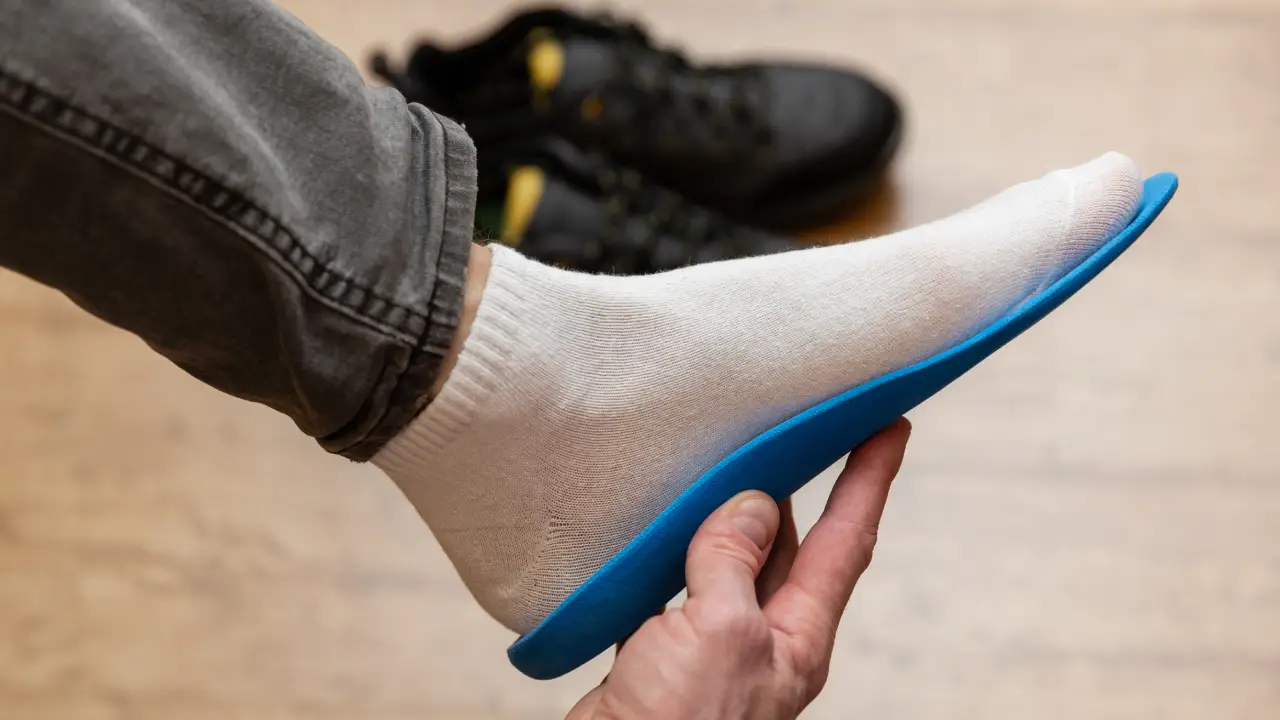
- Custom made Orthotics
- Compression Stockings & Braces
These services may be used separately or alongside one another depending on the person’s needs and assessment.
Get Started
If muscle tension, joint discomfort, recurring physical symptoms, or activity-related concerns are affecting your daily routine, you can contact Arise Physio & Massage Clinic to ask whether acupuncture may be suitable for you.
The first step is simple: discuss your concern with the clinic, provide relevant health information, and ask about the available acupuncture appointments. The clinic can then explain the assessment process, appointment details, pricing, and what to expect from your visit.
Contact Arise Physio & Massage Clinic to schedule an appointment or ask whether acupuncture is appropriate for your situation.
Address: 7025 Danton Promenade Unit 10 A, Mississauga, ON L5N 5E5, Canada
Phone: +1 905-785-2789