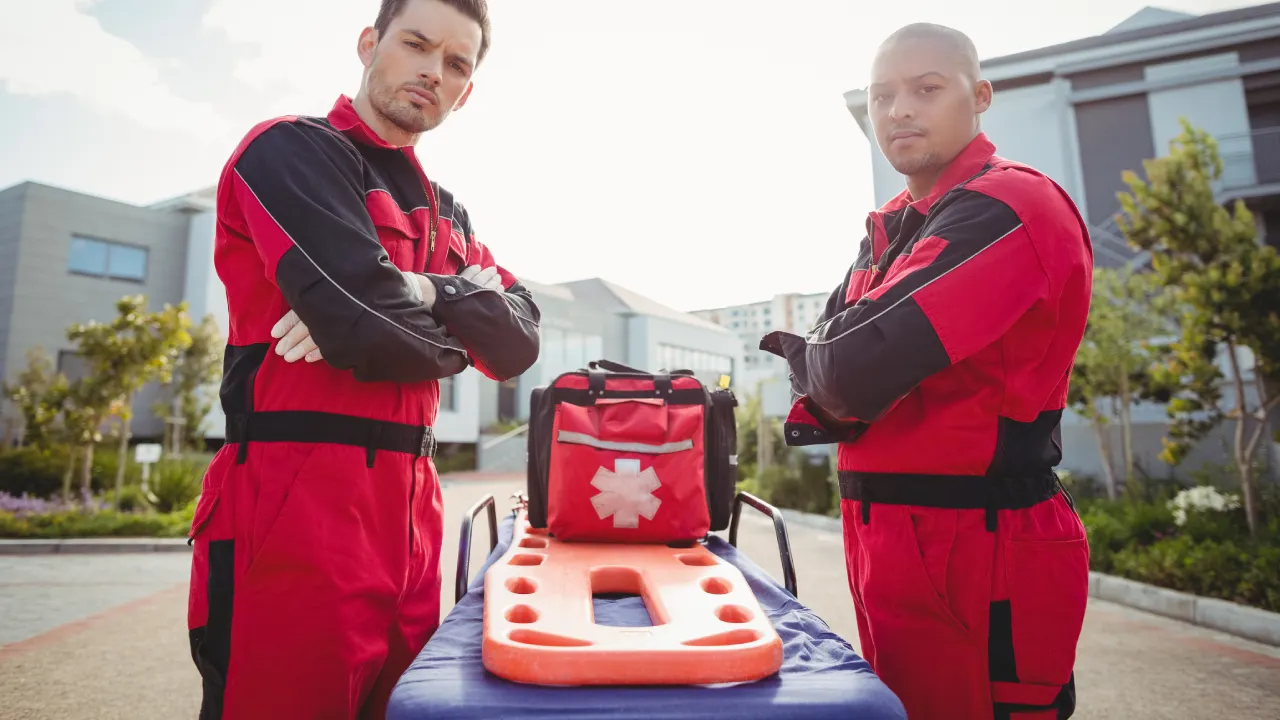
Why ETV Services Are relevant for Remote Worksite Safety in Merritt, BC
Remote construction zones, infrastructure projects, industrial sites, forestry operations, roadwork areas, and other work locations can create transportation challenges that are less common in urban settings. Long distances, uneven terrain, limited road access, changing weather, and a lack of nearby medical facilities can all affect how quickly an injured worker can reach appropriate medical care.
For companies working around Merritt, BC, emergency transport planning should be part of the overall worksite safety process. ETV Services can provide a dedicated transport option when a worker needs to leave a remote location for medical attention. Having a clear transport plan can help site managers respond in an organized manner rather than relying on improvised arrangements during an emergency.
What Are ETV Services?
Emergency Transport Vehicle services involve the use of suitable vehicles and trained personnel to transport injured or ill workers from a worksite toward an appropriate medical facility or designated point of care. The exact transport process depends on the site, road conditions, worker condition, distance, and the emergency plan established by the company.
In remote locations, transportation can become a major part of the response process. A worksite may be several kilometres from a highway, town, ambulance access point, or hospital. In such situations, moving an injured worker safely from the work area to a location where further medical assessment can take place may require advance planning.
For businesses operating in and around Merritt, BC, This Services can form part of a broader emergency response plan for construction, roadwork, industrial, infrastructure, and remote projects.
Why Remote Worksites Need a Transport Plan
A medical emergency at an urban workplace may occur close to roads, hospitals, emergency departments, and other services. Remote worksites can present a different set of circumstances.
Workers may be located on temporary access roads, mountain routes, construction corridors, isolated industrial properties, or sites with restricted vehicle movement. Weather can also affect travel conditions. Snow, heavy rain, fog, mud, ice, or poor visibility can create additional challenges.
A transport plan identifies how an injured worker will move from the work area to the next point of medical care. It can also identify access routes, communication procedures, vehicle requirements, site contacts, and coordination steps.
This is where ETV Services can become a practical part of workplace emergency planning.
7 Reasons ETV Services Are relevant for Remote Worksite Safety
1. They Address Long Distances from Medical Facilities
One of the main concerns at a remote worksite is distance. A project may be located well outside a town centre, and workers may need to travel a considerable distance to reach a hospital or medical clinic.
When an injury occurs, transportation becomes an important part of the response. Delays can occur if workers must search for an appropriate vehicle, determine an access route, or arrange transport after an incident has already taken place.
Having This Services included in the site safety plan means transportation requirements can be considered before work begins. Site managers can identify access points, travel routes, communication contacts, and procedures for moving a worker away from the work area.
For projects around Merritt, BC, this planning can be particularly relevant where worksites are located outside developed areas or along remote transportation corridors.
2. They Support Organized Emergency Response
A workplace emergency can involve several people at the same time. Supervisors may need to secure the work area, first aid personnel may need to assess the worker, management may need to communicate with emergency contacts, and transportation may need to be arranged.
Without a clear plan, responsibilities can overlap or important steps may be delayed.
ETV Services can be included within a defined emergency response procedure so that transportation is not treated as an afterthought. A site can establish who contacts the transport provider, who prepares the worker for movement, who communicates with the receiving facility, and who remains responsible for the worksite.
This creates a clearer sequence of actions when an incident occurs.
3. They Help Address Difficult Site Access
Remote worksites often have access conditions that differ from public roads. Temporary construction roads, gravel routes, narrow access points, steep areas, and uneven surfaces may make transportation more complicated.
Some projects also change as construction progresses. An access route that works during one phase of a project may not remain available later.
When ETV Services are included in planning, site access can be reviewed in advance. Transport arrangements can take into account the location of the project, available routes, site entry points, and other conditions that may affect vehicle movement.
For worksite managers in Merritt and surrounding areas, identifying these details ahead of time can reduce confusion during an emergency.
4. They Can Support Worker Safety During Transport
Moving an injured worker is not simply a matter of getting from one location to another. The worker may have limited mobility, require monitoring, or need careful handling while being moved from the work area to the vehicle.
The transport process should therefore be connected to the site’s first aid and emergency procedures. Workers responsible for the initial response should know how transport will be coordinated and what information needs to be communicated.
ETV Services can provide a defined transportation component within this process. Depending on the situation, transport personnel can coordinate with site first aid personnel and other emergency responders so that the worker’s condition and transport requirements are communicated clearly.
The precise response will depend on the nature of the incident and the instructions of qualified medical or emergency personnel.
5. They Can Reduce Unplanned Transportation Delays
In an emergency, searching for a vehicle at the last minute can create unnecessary delays. A company may have access to ordinary vehicles, but those vehicles may not be suitable for transporting an injured worker or navigating a remote worksite.
Advance planning can identify who will provide transport and how the vehicle will reach the site.
With ETV Services included in the emergency plan, companies can establish transportation procedures before an incident happens. This can include site location details, access instructions, contact information, communication methods, and coordination with other emergency services.
For employers managing multiple projects, having a repeatable process can also make site preparation easier when crews move between locations.
6. They Add Structure to Remote Site Emergency Planning
Safety planning is not limited to personal protective equipment, first aid kits, hazard assessments, and site procedures. Transportation should also be considered when a worksite is far from medical facilities.
A useful emergency plan can address several questions:
- Where is the worksite located?
- What is the fastest practical access route?
- Where can a transport vehicle enter the site?
- Who contacts emergency transport?
- Where is the nearest suitable medical facility?
- How will site personnel communicate during the incident?
- What happens if weather affects access?
- Which emergency services may need to be contacted?
ETV Services can be incorporated into these procedures so transportation forms part of the site’s wider emergency response structure.
This can be particularly relevant for construction contractors, infrastructure companies, industrial operators, municipalities, and other organizations working in remote areas around Merritt, BC.
7. They Can Strengthen Preparedness for Changing Worksite Conditions
Remote projects are rarely static. Work zones can move, access roads can change, equipment can be relocated, and weather can affect travel conditions.
An emergency transport plan should therefore be reviewed whenever major changes occur at the site.
ETV Services can be included in regular safety planning reviews so that transportation information remains current. Site managers can update vehicle access points, directions, contact information, worksite coordinates, and other details as project conditions change.
This approach can help teams remain prepared for transportation needs throughout different stages of a project.
How ETV Services Help Manage Remote Site Transport Risks
Remote site transport risks can come from several sources. Distance is one factor, but it is not the only one. Difficult terrain, road conditions, weather, site congestion, limited communication, and changing work areas can all affect transport.
A structured transport plan begins with identifying these risks. Site managers can then establish procedures for contacting transport personnel and communicating the location of the incident.
The next step is access planning. A remote worksite should have clear directions that can be communicated to transport personnel. If the project has multiple entrances or temporary roads, these should be identified in advance.
Communication is also important. Workers should know who to contact when an emergency occurs. Supervisors and first aid personnel should have access to relevant site information and emergency contact details.
Coordination with local emergency services can also be part of the plan. Depending on the incident, an ETV may work alongside ambulance services, first aid personnel, fire services, or other responders.
Weather planning should also be considered. Conditions around Merritt, BC can change throughout the year, and remote routes may be affected by snow, rain, ice, mud, or reduced visibility. Site managers should review access routes when conditions change and communicate any significant restrictions.
By including ETV Services within a site emergency plan, businesses can account for transportation as part of the complete incident response process rather than treating it as a separate issue.
When Should a Worksite Consider ETV Services?
ETV planning may be worth considering when a project is located far from medical facilities, has limited road access, involves physically demanding work, operates in isolated areas, or has changing site conditions.
Industries that may consider this type of planning include:
- Construction
- Road and highway projects
- Utility and infrastructure work
- Forestry operations
- Mining-related projects
- Industrial sites
- Municipal projects
- Remote maintenance work
- Large outdoor work areas
Each worksite has different hazards and transport requirements. Companies should assess their own operations and determine what emergency arrangements are appropriate for their workers and project conditions.
Planning ETV Support for Merritt, BC Worksites
Merritt is surrounded by highways, rural areas, mountain terrain, industrial activity, and construction projects. Worksites outside the central community may have different access and transport requirements from projects located within developed areas.
For companies working in the region, emergency planning should account for the actual project location rather than relying solely on general directions. Site coordinates, access roads, entry points, nearby landmarks, and contact procedures can all help transport personnel locate the worksite.
Red Star Safety & Traffic serves projects in Merritt, BC, and supports companies with safety and traffic-related services for remote and active work environments. Including transport planning in the broader site safety process can help organizations prepare for situations where an injured worker needs to be moved from an isolated work area.
What Should Be Included in a Remote Transport Plan?
A practical plan may include:
Worksite location: Record the exact project location, access roads, coordinates, and useful landmarks.
Emergency contacts: List site supervisors, first aid personnel, management contacts, and relevant emergency services.
Access information: Identify vehicle entry points, temporary roads, gates, restricted areas, and alternate routes.
Communication procedures: Establish how workers and supervisors will contact the transport provider and other emergency responders.
Worker movement procedures: Coordinate transportation with the site’s first aid and emergency response procedures.
Weather considerations: Review how snow, rain, ice, mud, or poor visibility may affect access.
Site updates: Revise transport information whenever the work area or access routes change.
These details can make a significant difference when a remote worksite has an emergency and transportation is required.
5 Frequently Asked Questions
1. What are ETV Services?
ETV Services refer to emergency transport support for moving an injured or ill worker from a worksite toward an appropriate medical facility or designated care location. Arrangements vary according to the project, worker condition, access conditions, and emergency plan.
2. Who may need ETV Services?
Construction companies, infrastructure contractors, industrial operators, roadwork crews, municipalities, and businesses working in remote locations may consider ETV planning where distance and site access could affect emergency transportation.
3. Are ETV Services the same as ambulance services?
Not necessarily. ETV transport and ambulance services can have different roles. The appropriate response depends on the worker’s condition, the site situation, and the emergency services involved. A worksite plan should clearly identify how these services may coordinate.
4. Why is transport planning important for remote worksites?
Remote worksites can be far from medical facilities and may have difficult access routes. Advance planning can identify how an injured worker will be transported, who will coordinate the process, and how emergency responders can reach the site.
5. Can ETV planning be updated when a project moves?
Yes. Remote projects can change locations, access roads, work areas, and operating conditions. Transport information should be reviewed and updated when significant site changes occur.
Prepare Your Merritt Worksite for Emergency Transport
Remote work brings specific safety and transportation challenges. A clear emergency transport plan can help site teams know what steps to take when an injury or medical incident occurs away from urban services.
For companies working in Merritt, BC, this Services can be incorporated into a wider site safety and emergency response plan. From access planning and communication procedures to coordination with first aid and emergency responders, advance preparation can help reduce confusion during a critical situation.
Red Star Safety & Traffic can assist businesses with safety and traffic requirements for remote and active worksites. Contact Red Star Safety & Traffic to discuss your project location, site conditions, and emergency transport planning needs in Merritt, BC.
Phone: +1 778-770-1115
Address: 2152 Quilchena Ave #2, Merritt, BC V1K 1B8, Canada