 (905) 609-1070
 drh@naturalhealthoptions.ca
 2349 Fairview Street, Unit 211, Burlington, ON L7R 2E3

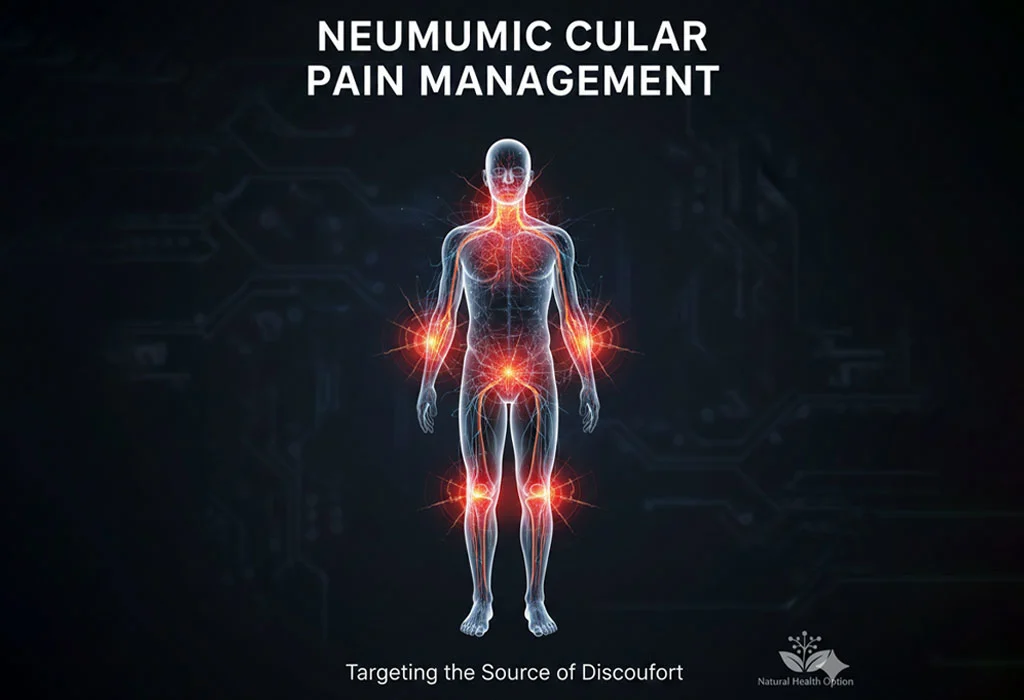
Navigating Life with Neuromuscular Pain Management in Burlington
Living with persistent muscle tension or nerve-related discomfort often feels like carrying an invisible weight. In a busy community like Burlington, where many lead active lifestyles—from hiking the Bruce Trail to commuting along the QEW—physical strain is common. When communication between your nervous system and your muscles is disrupted, it can lead to more than a simple ache; it may manifest as spasms, weakness, or sharp discomfort that disrupts your daily routine.
Finding a path forward requires looking beyond surface-level fixes. Many people find themselves stuck in a cycle of temporary comfort followed by a return of the same old issues. Shifting the focus to Neuromuscular Pain Management enables a deeper look at how the body functions as a whole. By addressing the root causes of dysfunction rather than just the symptoms, it becomes possible to foster a more resilient physical state. This article explores how Movement, alignment, and targeted care can help you move with more ease and less restriction.
The Connection Between Nerves and Muscles
To address discomfort, one must first recognize the relationship between the brain and the body. Every Movement you make is the result of a signal travelling from your brain, through the spinal cord, and into the muscle fibres. When this pathway is clear, Movement is fluid. However, repetitive strain, poor Posture, or old injuries can create “noise” in this system.
This interference often leads to what many describe as a “knot” that won’t go away. These are frequently trigger points—small patches of hyper-irritable tissue that stay contracted. Over time, these points can refer pain to other areas of the body, making the source of the problem difficult to pinpoint.
Practical Strategies for Daily Comfort
Maintaining physical health is a daily practice. While professional support is vital, there are several ways to support your body’s recovery at home.
- Hydration and Electrolytes: Muscles require minerals like magnesium and potassium to contract and relax properly. Ensuring you drink enough water throughout the day helps flush out metabolic waste.
- Ergonomic Awareness: Many Burlington residents spend hours at a desk. Ensure your screen is at eye level, and your feet are flat on the floor to prevent neck and shoulder strain.
- Active Recovery: Gentle Movement, such as walking or swimming, promotes blood flow without putting excessive stress on the joints.
The Role of Targeted Care
When self-care isn’t enough, professional intervention becomes necessary. Neuromuscular Pain Management at Natural Health Option focuses on identifying which muscles are underperforming or overworking. By using precise manual techniques, a practitioner can help “reset” the neural signals being sent to the tissue.
This process involves:
- Postural Assessment: Looking at how you stand and sit to find imbalances.
- Movement Analysis: Observing how you walk or reach to see which muscles are lagging.
- Manual Application: Applying steady pressure to specific points to encourage the muscle to release its grip.
Addressing Chronic Tension Patterns
Chronic tension is often a learned behaviour. If you have been guarding an old injury for years, your brain might still be sending “protection” signals to that area, even after the initial wound has healed. This leads to a cycle of stiffness that limits your range of motion.
Breaking this cycle requires a steady approach. It isn’t about forced stretching, which can sometimes trigger a stretch reflex that makes the muscle tighten further. Instead, it involves slow, intentional work that signals to the nervous system that it is safe to let go.
| Common Issue | How it Impacts Movement | Potential Support Strategy |
| Sciatic Discomfort | Sharp pain down the leg | Releasing the piriformis and gluteal muscles |
| Tech Neck | Headaches and shoulder tightness | Improving thoracic mobility and neck alignment |
| Lower Back Strain | Difficulty standing for long periods | Balancing the psoas and hip flexors |
Moving Toward Lasting Change
Consistency is the foundation of any physical improvement. It is rarely a single session that creates a permanent shift; rather, it is the cumulative effect of small, intentional changes. When you combine professional manual work with stretching and strengthening exercises, you provide your body with the tools it needs to maintain its own balance.
In Burlington, we have access to extensive green spaces that encourage physical activity. Utilizing these spaces after a session can help “lock in” new movement patterns. A gentle walk through LaSalle Park or along the waterfront allows your brain to integrate the changes made during your appointment.
Supporting Your Journey
The goal of any health journey is to reach a point where you feel capable and in control. Neuromuscular Pain Management provides a framework for that control. It empowers you to recognize early signs of tension before they escalate into a crisis.
At Natural Health Option, the focus remains on providing a calm environment where your physical concerns are heard. By looking at the body through a functional lens, we help you bridge the gap between where you are and where you want to be. Whether you are a weekend warrior or someone simply looking to garden without a struggle, focusing on the nerve-muscle connection is a logical step forward.
Managing physical stress requires patience and the right strategy. By shifting your focus toward how your nervous system interacts with your muscular structure, you open the door to a more fluid way of living. This approach does not rely on a quick fix but rather a steady commitment to physical awareness and regular maintenance.
Taking the time to address these issues now can prevent more significant limitations later. If you are ready to explore how this approach fits your lifestyle, consider the options available in your local community. Building a relationship with a practitioner who understands the complexities of the human body is a significant step toward maintaining your vitality.