 (905) 609-1070
 drh@naturalhealthoptions.ca
 2349 Fairview Street, Unit 211, Burlington, ON L7R 2E3

Enhancing Daily Focus and Mental Clarity with Neuro & Bio-Feedback in Burlington
Living in a fast-paced environment often means dealing with a constant stream of mental noise. Many people struggle to maintain focus or manage stress-related physiological signals during a busy workday. Whether it is the pressure of meeting deadlines or the challenge of staying present with family after a long commute, the body’s internal systems can sometimes feel out of sync. This sense of being “always on” can lead to mental fatigue and a feeling that the brain is simply not performing at its peak.
The search for balance usually starts with lifestyle changes, but sometimes a more data-driven approach is needed to see what is happening beneath the surface. This is where the intersection of technology and wellness provides a path forward. By observing the body’s involuntary functions in real-time, individuals can gain a new perspective on their health. This process enables a deeper connection between the mind and body, providing the tools needed to navigate daily challenges with greater composure.
How the Brain and Body Communicate
The human nervous system is an intricate network that constantly sends signals back and forth. Most of the time, these processes happen without any conscious input. Heart rate, skin temperature, and brainwave patterns shift based on the environment and internal thoughts. When these systems become dysregulated due to persistent stress or lack of sleep, the results often manifest as brain fog or physical tension.
Neuro & Bio-Feedback serves as a mirror for these internal processes. Using non-invasive sensors, it is possible to visualize or hear physiological data. This feedback loop is essential because it removes the guesswork from wellness. Instead of wondering why a particular task feels draining, individuals can observe how their system reacts to different stimuli.
The Role of Brainwaves in Cognitive Performance
The brain operates using electrical impulses that occur at various frequencies. These frequencies correlate with different states of mind:
- Alpha Waves: Associated with a state of relaxed alertness and creativity.
- Beta Waves: Linked to active thinking, focus, and problem-solving.
- Theta Waves: Present during deep relaxation or light sleep.
- Delta Waves: Occur during restorative, deep sleep.
When these waves are out of balance—for instance, having too much high-frequency activity when trying to rest—it becomes challenging to settle down. Conversely, an overabundance of slow-wave activity during work hours can lead to distractions. Observing these patterns through Neuro & Bio-Feedback helps in identifying where the imbalances lie.
The Practical Mechanics of Neuro & Bio-Feedback
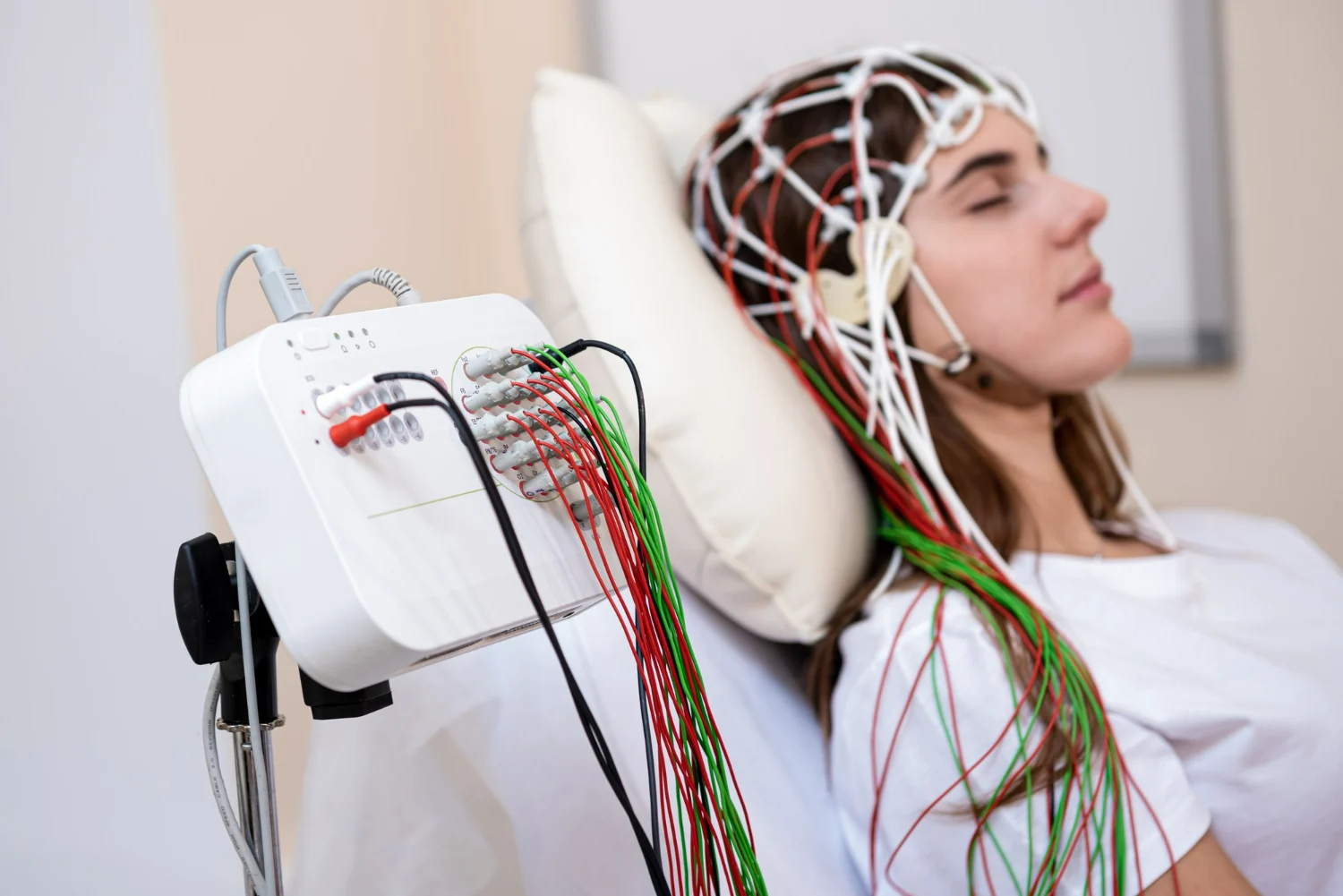
Engaging with these methods involves a structured yet passive approach. During a session at Natural Health Option, sensors are placed on the skin or scalp to monitor signals. There are no electrical currents sent into the body; the sensors only “listen” to what the body is already doing.
The data is then translated into an easy-to-interpret format, such as a video game, a movie, or a soundscape. When the body or brain reaches a desired state—such as a steady heart rate or an optimal brainwave frequency—the “game” or music continues smoothly. If the system deviates from that state, the feedback changes.
Training the Autonomic Nervous System
The autonomic nervous system (ANS) governs the “fight or flight” and “rest and digest” responses. Many Burlington residents find themselves stuck in a sympathetic (fight-or-flight) state due to the fast pace of life. Bio-feedback specifically targets metrics like:
- Heart Rate Variability (HRV): The variation in time between each heartbeat. Higher HRV is generally associated with better stress resilience.
- Skin Conductance: Measuring sweat gland activity, which is a sensitive indicator of emotional arousal.
- Respiration: Tracking breathing patterns to ensure they are rhythmic and deep rather than shallow and rapid.
Through consistent practice, the brain learns to associate the “calm” state with the positive feedback received during the session. Over time, this becomes a learned skill that the individual can access even when they are not connected to the sensors.
Why Data-Driven Wellness is Gaining Traction in Burlington
The shift toward evidence-based wellness is a growing trend. People are no longer satisfied with general advice; they want to see the specific data regarding their own physiology. This is particularly relevant for those in high-stress professions or students who need to maintain a high level of cognitive function.
Addressing the Root of Mental Fatigue
Mental fatigue is often the result of the brain working harder than it needs to. Imagine a car engine idling at a high RPM even when stopped at a red light. That is what a stressed brain looks like. By using Neuro & Bio-Feedback, the “engine” can be retrained to idle efficiently. This conservation of energy means there is more “fuel” left for what matters, such as work, problem-solving or hobbies.
Enhancing Physical Resilience
Physical health is inextricably linked to mental states. Chronic tension in the shoulders or a clenched jaw can create a feedback loop of its own, signalling to the brain that there is a threat. By learning to release that tension through biofeedback, the physical body sends a “safe” signal back to the brain, creating a virtuous cycle of relaxation and readiness.
Integrating Feedback into a Healthy Lifestyle
While the technology provides the data, the real work happens in how that information is applied to everyday life. The insights gained from a session at Natural Health Option act as a roadmap for personal development.
Strategies for Long-term Success
To get the most out of these sessions, it is helpful to pair them with other supportive habits:
- Consistent Sleep Patterns: The brain needs downtime to consolidate the “learning” that happens during feedback sessions.
- Mindful Movement: Activities such as walking in the many green spaces that Burlington offers can help reinforce a calm nervous system.
- Hydration and Nutrition: A well-fueled brain is more capable of neuroplasticity, which is the brain’s ability to reorganize itself.
What to Expect During the Process
It is essential to view this as a form of nervous system exercise. Just as one does not expect to run a marathon after a single gym visit, the brain and body require repetition to build new pathways. Most people notice a subtle shift in their ability to handle stress within a few sessions, with more significant changes occurring as the training progresses.
A New Perspective on Self-Regulation
The ability to self-regulate is one of the most valuable skills a person can possess. It means being the pilot of your own ship rather than being tossed around by the waves of external circumstances. When you understand the language of your own nervous system, you can make informed choices about how to react to the world around you.
Neuro & Bio-Feedback provides a window into that internal language. It turns the abstract concept of “stress management” into a tangible, measurable, and improvable skill. For those in the Burlington area looking to sharpen their focus or find a sense of quiet in a loud world, exploring these options can bridge modern science and personal wellbeing.
By focusing on biological health markers, Natural Health Option supports a journey toward a more balanced, aware self. The goal is not to change who you are, but to provide the clarity and calm needed to be your most effective self.
If you are curious about how your own physiological patterns might be impacting your daily life, exploring the potential of these non-invasive techniques is a great way to start. Learning how to harmonize the mind and body is a step toward a more composed and intentional way of living.