 (905) 609-1070
 drh@naturalhealthoptions.ca
 2349 Fairview Street, Unit 211, Burlington, ON L7R 2E3

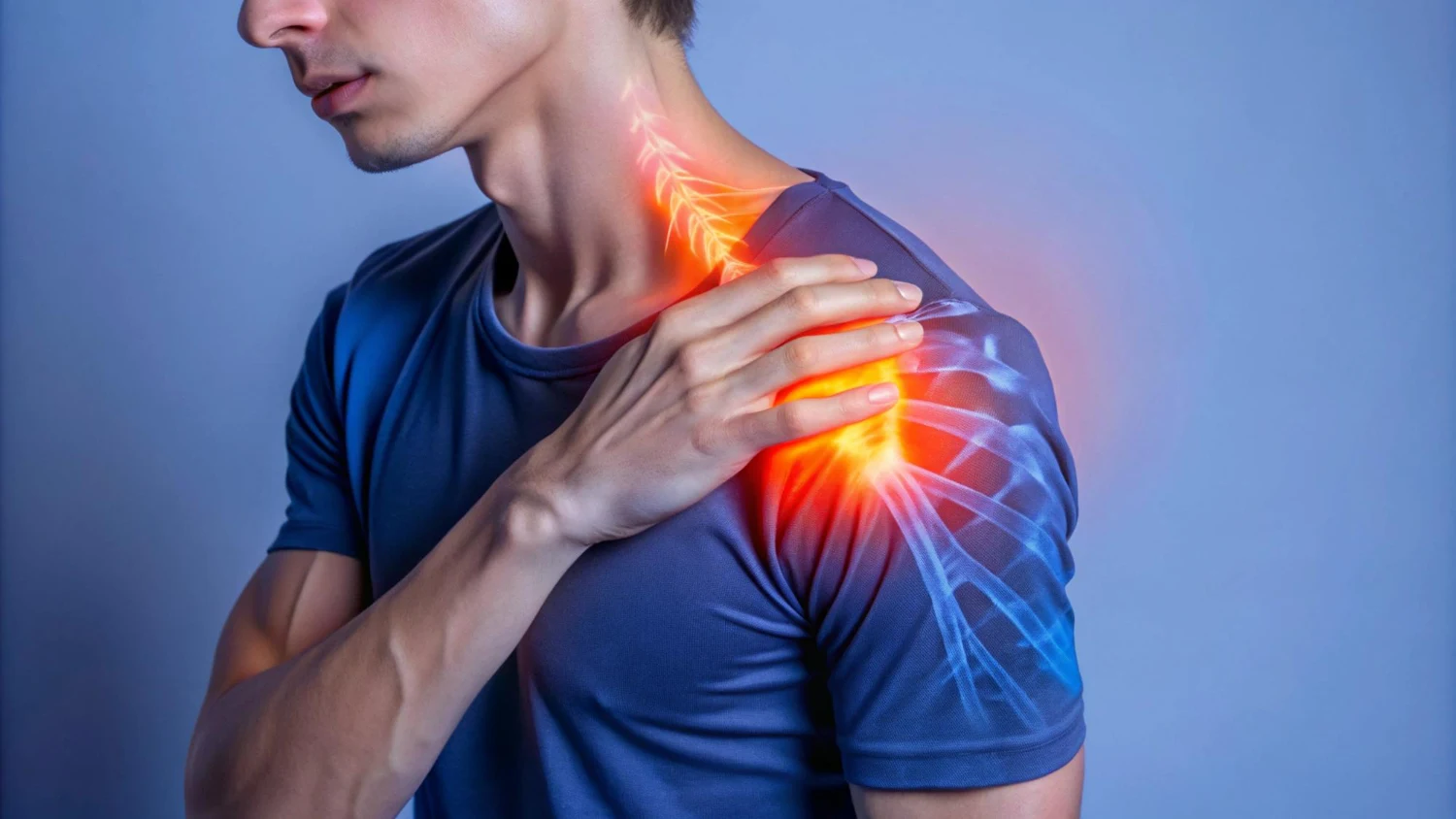
Navigating the Stages of Frozen Shoulder in Burlington
The sensation of a stiff, immobile shoulder often starts as a dull ache. For many in Burlington, this discomfort gradually becomes a significant restriction of movement, making simple tasks such as reaching for a coffee mug or putting on a winter coat feel nearly impossible. This condition, medically known as adhesive capsulitis, involves the thickening and tightening of the connective tissue surrounding the shoulder joint. It progresses through distinct phases, often lasting months or even years if left unaddressed.
While it frequently affects adults between 40 and 60, shoulder immobility can impact individuals across all ages, especially those recovering from Surgery or managing systemic conditions like diabetes. The frustration of limited Mobility is real, but the path to regaining function starts with identifying the underlying mechanics of the joint. By shifting the focus from temporary fixes to a steady, movement-based approach, it is possible to maintain joint health and prevent the “freezing” from becoming a permanent feature of daily life.
Why Shoulders Lose Mobility
The shoulder is a ball-and-socket joint with a wide range of motion. It is encased in a capsule of connective tissue. When this capsule becomes inflamed, it scars and tightens, reducing the range of motion of the humerus (upper arm bone). This creates the classic “stuck” feeling associated with frozen shoulder.
While the exact cause isn’t always clear, several factors contribute to its development:
- Immobilization: Keeping an arm still for long periods after a fracture or Surgery.
- Systemic Issues: Links have been found between joint stiffness and metabolic imbalances.
- Age and Gender: Statistics indicate a higher prevalence among women, though men and younger individuals are not immune.
The Three Phases of Adhesive Capsulitis
Recognizing which stage you are in helps set realistic expectations for recovery. The process is rarely linear, but it generally follows a predictable pattern.
The Freezing Phase
In this initial stage, any shoulder movement causes pain. You may notice the range of motion gradually decreasing. This phase typically lasts from six to nine months. Pain is often worse at night, which can disrupt sleep patterns and overall wellbeing.
The Frozen Phase
During this period, the actual pain may begin to diminish. However, the shoulder becomes significantly stiffer. Reaching behind your back or overhead becomes a significant challenge. This stage can last anywhere from four to twelve months. Daily activities in Burlington—whether it’s shovelling a light dusting of snow or reaching for a seatbelt—become reminders of the limitation.
The Thawing Phase
This is when the range of motion begins to improve. The tissue becomes more pliable, and strength gradually returns. This final stage can take between six months and two years. Consistency during this time is vital to ensure the joint returns to its full capacity.
Practical Strategies for Managing Stiffness at Home
Managing a frozen shoulder requires patience. Since the condition involves physical changes to the tissue, “forcing” a movement can often lead to more inflammation. Instead, a gentle, incremental approach is recommended.
Heat and Cold Application
Applying a warm compress to the area before performing any movements can help loosen the tissue. Conversely, using a cold pack after activity can help manage any temporary irritation.
Gentle Range-of-Motion Drills
- The Pendulum: Lean forward and support yourself with your unaffected arm on a table. Let the other arm hang vertically and swing it in small circles.
- Towel Stretch: Hold a long towel behind your back horizontally. Use your “good” arm to pull the towel upward, gently stretching the affected shoulder.
- Finger Wall Walk: Face a wall and place your fingers on the surface at waist level. Slowly walk your fingers up the wall as far as comfortable.
Ergonomic Adjustments
If you spend your day at a desk in Burlington, ensure your workstation supports your Posture. Slumping forward puts unnecessary strain on the shoulder capsule. Use a chair with proper lumbar support and keep your keyboard at a height that allows your elbows to stay at a 90-degree angle.
How Movement Supports Joint Health
The body prioritizes what it uses. When we stop moving a joint due to discomfort, the body continues to lay down collagen fibres that can further restrict movement. To counter this, “motion is lotion” becomes a vital mantra.
Natural Health Options emphasizes the importance of looking at the body as an interconnected system. The shoulder does not function in isolation; it relies on the ribcage, the spine, and the neck. If the neck muscles are overly tight, they can alter the mechanics of shoulder blade movement, potentially exacerbating stiffness.
Nutrition and Inflammation
What we consume influences how we manage inflammation. A diet rich in Omega-3 fatty acids, found in flaxseeds and walnuts, can support joint health. Staying hydrated is also essential, as synovial fluid, which lubricates joints, is primarily composed of water.
Professional Support in Burlington
While home drills are beneficial, professional oversight ensures that you aren’t inadvertently causing more harm. A practitioner can determine whether the stiffness is truly a frozen shoulder or stems from a rotator cuff issue or bursitis, which require different approaches.
At Natural Health Options, the focus is on identifying the root cause of the restriction. By using non-invasive methods to promote blood flow and tissue elasticity, the goal is to progress through the “thawing” phase more efficiently. Practitioners assess your lifestyle, Posture, and movement patterns to develop a plan that aligns with your specific needs.
| Phase | Duration | Primary Symptom |
| Freezing | 6-9 Months | Sharp pain, losing motion |
| Frozen | 4-12 Months | Extreme stiffness, less pain |
| Thawing | 6-24 Months | Gradual return of motion |
Finding the Path to Mobility
Recovering from a frozen shoulder is a marathon, not a sprint. The journey involves a transition from managing discomfort to actively restoring the way your body moves. By maintaining consistency with gentle exercises and a positive outlook, the “thawing” process becomes a reality.
Understanding the mechanics of your joints allows you to take control of your health. Whether you are an athlete or someone simply looking to perform daily tasks without restriction, the focus remains the same: steady, mindful progress. If you find that progress has stalled, seeking a different perspective on your movement patterns can provide the breakthrough needed to regain your quality of life.